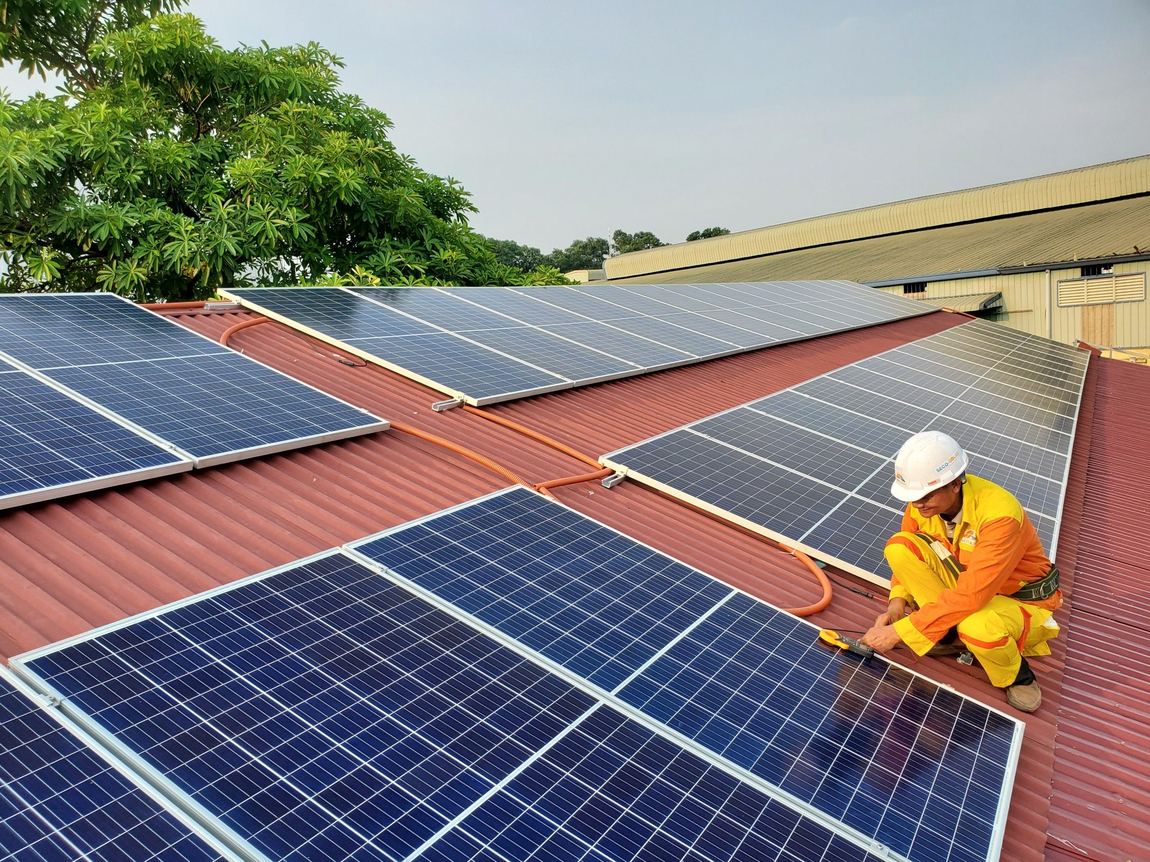
Solar systems have very few moving parts, which is exactly why they get neglected — there's no oil to change, no filter to replace, nothing that obviously demands attention on a schedule. But connections loosen, corrosion creeps in, and output quietly drifts downward long before anything fails outright. A once-a-year systematic check catches almost all of it while it's still a five-minute fix.
Visual & mechanical checks
- Panel surfaces free of heavy soiling, bird droppings, or debris buildup — see our cleaning guide for safe methods
- Racking and mounting hardware still tight — check for any hardware loosened by a year of thermal cycling and wind
- No new physical damage: cracked glass, delaminating panel edges, or bent frames
- Cable runs still properly secured, with no new abrasion points, UV-damaged insulation, or rodent damage
- Enclosures (combiner boxes, inverter housing) still sealed, with no water staining or visible corrosion inside
Electrical checks
- Terminal connections torque-checked — not just visually inspected, since a loose connection often looks fine until it's actually tested
- Grounding continuity re-verified — see our full grounding inspection guide for the process
- String voltages measured and compared against the previous year's baseline, not just the datasheet spec — a gradual drop year over year is a useful early warning sign
- Overcurrent protection devices (fuses, breakers) inspected for any signs of heat damage or discoloration
During one routine check, I noticed the full string voltage wasn't matching the expected value. The cause turned out to be a fault inside one panel's junction box — after replacing that panel, the string returned to normal and produced its full rated voltage and current.
Performance checks
- Compare actual production against expected output for the season — a system quietly underperforming by 10-15% often has one identifiable cause (soiling, a failing panel, shading growth from nearby trees) rather than uniform aging
- Check inverter/monitoring logs for any recurring fault codes since the last check — see our fault code guide if anything unfamiliar shows up
- For battery-based systems, check that batteries are still reaching full charge and holding capacity consistent with the past year
Seasonal considerations
| Season | What to watch for |
|---|---|
| Spring | Pollen and debris buildup after winter; a good time for a full cleaning pass |
| Summer | Peak thermal stress on components; verify cooling/ventilation isn't blocked |
| Autumn | Falling leaves and growing shade from nearby trees as they mature |
| Winter | Snow loading on racking, and reduced production that shouldn't be mistaken for a fault |
Frequently asked questions
Is once a year really enough?
For most residential systems in moderate climates, yes — solar systems age slowly. Coastal, highly humid, or extreme-weather locations may benefit from a check every 6 months instead.
Can I do this checklist myself, or do I need a professional?
Visual checks and basic voltage/continuity testing are within reach for a reasonably confident DIYer with a multimeter — see our multimeter testing guide. Ground resistance testing and anything involving opening inverter enclosures is best left to a qualified technician.
What's the single most valuable check on this list?
Comparing actual production against your own historical baseline catches problems that a purely visual inspection misses entirely — degradation and loose connections often show up in the numbers well before they're visible to the eye.